By Cindy Diep, The University of Texas at Austin College of Pharmacy
Curist delivers medicines to your door at a fraction of the price of traditional brands. We hope everyone stays safe and healthy during this time.
When it comes to battling fungal infections, finding the right treatment is crucial. This article explores the top over the counter antifungal treatments available, helping you make informed choices for effective relief of fungal infections.
Are these the same thing: Lamisil (Terbinafine), Lotrimin (Clotrimazole), and Tinactin (Tolnaftate)?
Lamisil (terbinafine), Lotrimin (clotrimazole), and Tinactin (tolnaftate) are not the same thing, as they contain different active ingredients. However, they are all antifungal medications used to treat fungal infections. In other words, while Lamisil, Lotrimin, and Tinactin all serve similar purposes in treating fungal infections, they are distinct medications with different active ingredients and mechanisms of action.
What is Lamisil (Terbinafine)?
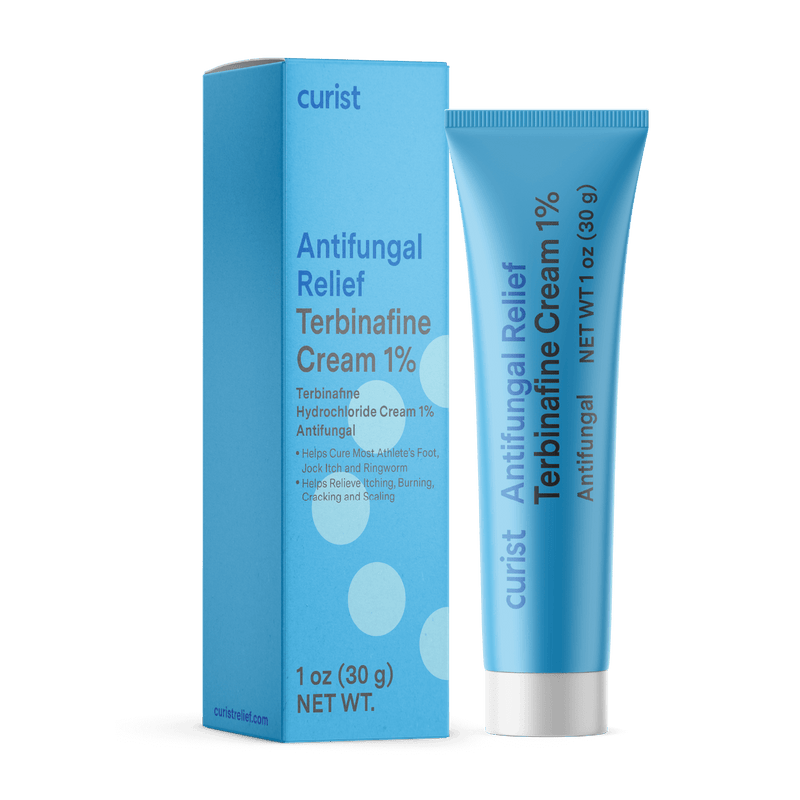
Lamisil is the brand name for the antifungal medication, terbinafine. It can be used to treat a variety of fungal infections, including athlete’s foot, jock itch, and ringworm. Terbinafine works by inhibiting an enzyme, which causes the fungal cell membrane to become dysfunctional and leads to cell death. The topical versions of terbinafine (e.g. cream, gel, spray) are available over the counter, while the oral tablets are available with a prescription.
What is Lotrimin (Clotrimazole)?
Lotrimin contains the active ingredient, clotrimazole, and is also used to treat various fungal infections. Some uses include topical treatment of candidiasis, athlete’s foot, jock itch, and ringworm. It can also be used for treatment of vaginal yeast infections and relief of external itching and irritation. Some dosage forms include topical creams, topical solution, and vaginal cream/tablets. Clotrimazole works by damaging the protective barrier of the fungus to stop growth of the fungus and treat the infection.
What is Tinactin (Tolnaftate)?
Tinactin is the brand name for the antifungal medication, tolnaftate. It is approved by the FDA to treat ringworm, jock itch, and athlete’s foot. Some dosage forms include topical creams, powder, sprays, and liquids. Tolnaftate works by blocking a protein that the fungi needs to grow and this prevents the fungi from growing to treat the infection.
Which Is the Strongest Over-the-Counter Antifungal: Lotrimin vs Lamisil vs Tinactin?
The strength and effectiveness of these antifungal medications varies depending on the patient and the specific fungal infection being treated. For example, Lamisil (terbinafine) is considered the most effective and potent of the three with a shorter treatment duration. Lotrimin (clotrimazole) may be more effective against a broader range of fungal infections, such as yeast infections. Tinactin is effective but generally considered the least potent of the three and is often used for less severe infections. However, individual response to treatment can vary and it is important to consult with a healthcare professional if the infection does not improve.
Can I Use Lamisil and Lotrimin Together? Can I Use Tinactin and Lotrimin Together?
Using Lamisil and Lotrimin together or Tinactin and Lotrimin together is generally not recommended without consulting a healthcare professional. Each of these medications should be effective on its own to treat fungal infections and combining them may lead to increased risk of side effects. Before combining any medications, seek advice from a healthcare provider so they can recommend the most appropriate treatment for you.
Can I use Lamisil and Tinactin Together?
Using Lamisil and Tinactin together is not recommended without consulting a healthcare provider. Both medications can be effective antifungals, but combining them may not lead to additional benefits. Generally, one antifungal medication should be sufficient to treat most fungal infections and combining them without medical advice can lead to potential of increased side effects.
What is the Best Antifungal Cream for Athlete’s Foot: Lamisil vs Lotrimin vs Tinactin?
For athlete’s foot, Lamisil (terbinafine) is generally considered the most effective because of its ability to kill the fungus and also may provide relief faster than the others. However, Lotrimin (clotrimazole) and Tinactin (tolnaftate) can also be effective and may be preferred based on individual needs. Consult with a healthcare provider if you have any concerns or if the infection does not improve with treatment.
What is the Best Antifungal Cream for Ringworm: Lotrimin vs Lamisil vs Tinactin?
The choice of antifungal medications depends on various factors, including individual preference, severity of the infection, and specific type of fungus causing the infection. For strongest potency and faster treatment duration, Lamisil (terbinafine) is considered the best choice due to its mechanism of action and ability to provide effective relief for ringworm within a shorter period of time. Lotrimin (clotrimazole) is effective against a wide range of fungi and may be a good choice if the specific type of fungus causing the ringworm is unknown. For more mild infections or as a preventive measure, Tinactin (tolnaftate) can be an option as well.
What is the Best Antifungal Cream for Jock Itch: Tinactin vs Lamisil vs Lotrimin?
Lamisil (terbinafine) is often preferred as it has potent fungicidal action and provides quick relief for jock itch. However, Lotrimin (clotrimazole) and Tinactin (tolnaftate) may be effective options as well. Choosing the best antifungal cream for jock itch can depend on several factors, such as personal preference, severity of infection, and cost considerations. If needed, consult a healthcare professional to determine what is the best option for you.