By Cindy Diep, The University of Texas at Austin College of Pharmacy
Curist delivers medicines to your door at a fraction of the price of traditional brands. We hope everyone stays safe and healthy during this time.
Jock itch is a common fungal infection that affects the groin, inner thighs, and buttocks, causing redness, itching, and discomfort. While it can be frustrating, it is treatable with the right antifungal medication. Choosing the right antifungal for jock itch is key to quickly relieving symptoms and preventing recurrence. In this article, we’ll explore the most effective over-the-counter options, how they work, and tips for keeping the infection from coming back.
How Do You Get Rid of Jock Itch ASAP?
To get rid of jock itch as quickly as possible, it is important to treat the fungus effectively while minimizing moisture and friction in the affected area. Start by applying a topical antifungal cream, spray, or powder. Popular options include terbinafine, butenafine, clotrimazole, tolnaftate, and miconazole. It is not clear if one works better than the other, but some experts recommend starting with terbinafine or butenafine. Make sure to follow the directions for the product and to complete the full treatment duration. Keep the area clean and completely dry, as fungus thrive in warmth and moisture. Make sure to shower daily, change underwear frequently, and avoid tight or synthetic clothing. Using a separate towel and laundering clothing in hot water can also help prevent reinfection. If symptoms do not improve within 2 weeks or worsen, it is important to see a healthcare provider for stronger prescription treatment.
Which Is More Effective for Jock Itch: Lotrimin or Tinactin or Lamisil?
When comparing over-the-counter antifungal treatments for jock itch, it is important to understand their differences in effectiveness and application. Lotrimin is considered the most effective option among the three, according to some experts. It works by inhibiting the synthesis of a component of fungal cell membranes, leading to fungal cell death. Lotrimin and Tinactin are also effective treatments but act differently. Clotrimazole and Tinactin inhibit the growth of fungi rather than killing them. In summary, all three are good options, but Lamisil (active ingredient terbinafine) is generally the most effective over-the-counter treatment for jock itch due to its fungicidal properties and rapid action. Always follow the product instructions and consult a healthcare provider if symptoms persist or worsen.
How Long Is Jock Itch Contagious After I Use an Antifungal?
Jock itch can remain contagious until the fungal infection is fully cleared, even after you start using an antifungal treatment. Once you begin applying a topical antifungal, symptoms such as itching and redness may improve within a few days, but jock itch is still contagious as long as the fungus is still present on the skin. To reduce the risk of spreading the infection, complete the treatment for the full recommended duration, keep the affected area clean and dry, avoid sharing towels, clothing, or bedding, and wash underwear and clothing in hot water. The infection is generally no longer contagious once the skin is fully healed and the fungus is eradicated, which is why completing the treatment course is essential.
How Does Antifungal Cream Work to Treat Jock Itch? How Long Does Antifungal Cream Take to Work for Jock Itch?
Antifungal creams treat jock itch by targeting the fungus that causes the infection. Different antifungals work in slightly different ways. For example, terbinafine kills the fungus by disrupting its cell membranes, while clotrimazole stops the fungus from growing. By reducing fungal growth and killing existing fungi, these creams relieve itching, redness, and scaling.
The time it takes for an antifungal cream to work depends on the severity of the infection and the specific medication. Terbinafine often shows improvement within a few days, with full clearance in usually 1-2 weeks. Clotrimazole or tolnaftate may take longer, usually about 4 weeks to fully resolve the infection. Regardless of the cream used, it’s important to apply it for the entire recommended duration, even if symptoms improve sooner, to prevent recurrence.
Can I Use an Antifungal Spray for Jock Itch? Can I Use Antifungal Gel for Jock Itch?
Yes, you can use both antifungal sprays and gels to treat jock itch, and they can be effective alternatives to creams depending on your preference and the affected area. Antifungal sprays are convenient for covering larger areas quickly and can help reduce moisture, which fungi thrive on. They’re also useful for applying to areas that are difficult to reach or when you want a hands-free option. Antifungal gels are fast-drying and absorb quickly, making them a good choice for areas that may become sweaty or irritated. Gels can provide a cooling sensation and are easy to apply to skin folds without excessive mess. Both sprays and gels can effectively clear the infection if used as directed for the full recommended course. Keeping the area clean, dry, and free from friction is also essential for successful treatment.
Why Does My Jock Itch Keep Coming Back? What If My Jock Itch Doesn’t Go Away?
Jock itch can keep coming back because the fungus thrives in warm, moist environments and can easily persist on skin, clothing, or bedding. Common reasons for recurrence include stopping treatment too early, not keeping the groin area clean and dry, reusing contaminated underwear or workout clothes, and friction from tight clothing. If jock itch does not go away despite proper treatment, it may indicate a more resistant fungal infection, an incorrect diagnosis (e.g. other skin conditions like eczema or psoriasis), or an underlying health issue such as diabetes or a weakened immune system. In such cases, a healthcare provider can prescribe stronger topical or oral antifungal medications, confirm the diagnosis, and provide guidance on preventing reinfection. Proper hygiene, thorough drying of the area, and disinfecting clothing and towels are crucial to achieving lasting clearance.
Is There a Permanent Cure for Jock Itch? What is the Permanent Cure for Jock Itch?
There is not a guaranteed permanent cure for jock itch because the fungus that causes it can survive in warm, moist environments and on clothing, towels, or bedding, which makes reinfection possible. However, the infection can be completely cleared and effectively prevented from returning with proper treatment and hygiene. The “permanent” approach involves treating the infection fully with antifungal creams, sprays, gels, or oral medications as prescribed, keeping the groin area clean and dry, changing underwear daily, avoiding tight or synthetic clothing, and washing or rotating towels, sheets, and workout clothes. By combining effective antifungal therapy with consistent preventive measures, most people can eliminate the infection and significantly reduce the risk of recurrence.
Is There a Natural Antifungal for Jock Itch? What is the Most Powerful Natural Antifungal for Jock Itch?
Some natural remedies have antifungal properties that may help relieve mild jock itch or support conventional treatment, but they are generally less effective than standard antifungal medications like terbinafine or clotrimazole. Common natural remedies include tea tree oil, garlic, aloe vera, coconut oil, and vinegar. Among natural options, tea tree oil is considered the most powerful natural antifungal for jock itch based on available evidence. However, natural remedies are best used as adjuncts to conventional treatment rather than replacements. Antifungal infections require OTC or prescription antifungal medications to fully clear the fungus.
What is the Best Ointment for Jock Itch? What is the Best Cream for Jock Itch Treatment?
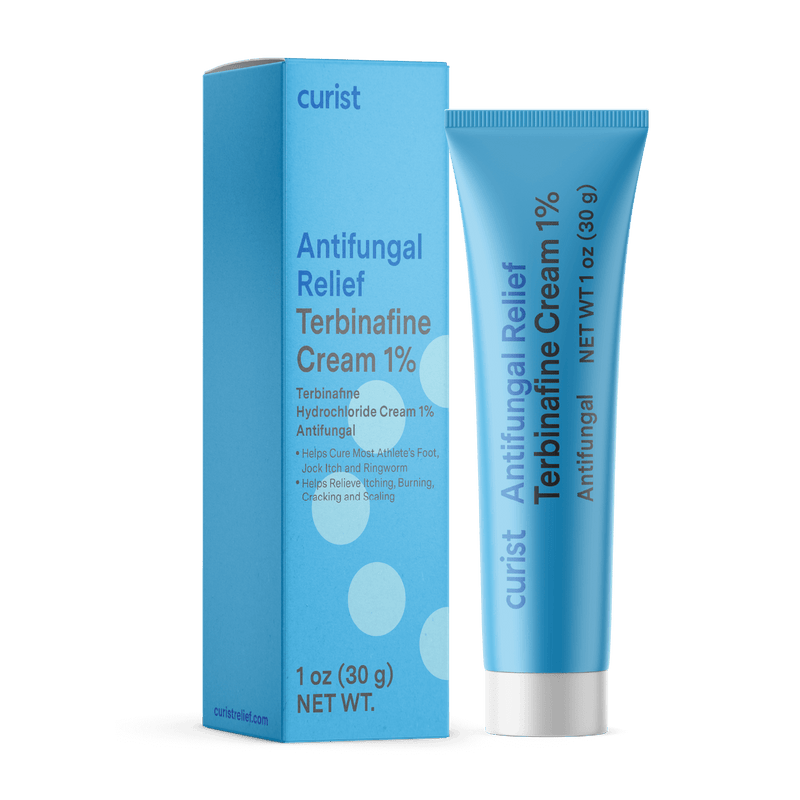
The best over-the-counter treatment for jock itch is generally terbinafine, which is fungicidal and works by killing the fungus rather than just inhibiting its growth. This allows for faster relief of itching, redness, and discomfort, often within 1-2 weeks. Butenafine is another highly effective option with similar fungicidal properties and quick results. For milder infections or those on a budget, Clotrimazole or Tolnaftate are also effective, though they are fungistatic, meaning they slow fungal growth rather than kill it, which can require a longer treatment period. Regardless of the product chosen, it is essential to keep the affected area clean and dry, apply the medication as directed, and complete the full course to prevent recurrence. Avoiding tight clothing and maintaining good hygiene, including washing underwear, towels, and workout clothes, also helps reduce the risk of reinfection. For persistent or severe cases, consulting a healthcare provider is recommended to ensure proper treatment.
What is the Best Over-The-Counter Antifungal Cream for Jock Itch Treatment?
According to some experts, the most effective over-the-counter antifungal cream for jock itch is terbinafine or butenafine. Terbinafine is a fungicidal agent, meaning it kills the fungus causing the infection, leading to faster and possibly a more complete resolution of symptoms. Another highly effective OTC option is Butenafine. Butenafine is also fungicidal and is known for its fast-acting formula, providing relief from itching and discomfort associated with jock itch. Other effective alternatives include clotrimazole and tolnaftate. Regardless of the product chosen, it is essential to keep the affected area clean and dry, apply the medication as directed, and complete the full course of treatment to prevent recurrence. If symptoms persist or worsen, consulting a healthcare provider is recommended.