By Cindy Diep, The University of Texas at Austin College of Pharmacy
Curist delivers medicines to your door at a fraction of the price of traditional brands. We hope everyone stays safe and healthy during this time.
Athlete’s foot is a common fungal infection that can cause itching, burning, discomfort, and cracking skin. With so many over-the-counter medications available, selecting the most effective one can be challenging. In this article, we will explore the best options, comparing their effectiveness and offering guidance on selecting the right treatment to relieve symptoms and prevent recurrence.
How Do You Get Rid of Athlete’s Foot ASAP?
To quickly eliminate athlete’s foot, a combination of antifungal medication, proper foot hygiene, and preventative measures is essential. Start by applying an effective over-the-counter antifungal medication, such as terbinafine, clotrimazole, miconazole, tolnaftate, or butenafine. Terbinafine is particularly fast-acting and can clear symptoms within 1-2 weeks. For more severe or persistent cases, a doctor may prescribe oral antifungals for faster, systemic relief.
In addition to medication, maintaining good foot hygiene and implementing prevention strategies are crucial. Wash your feet with soap and water, and dry them thoroughly, especially between the toes. Wear breathable, well-ventilated shoes to promote airflow and prevent moisture buildup. Change socks at least once a day, or more often if your feet get sweaty. When in public areas such as showers or locker rooms, always wear sandals or flip-flops to avoid exposure and prevent reinfection.
If symptoms persist despite correctly using over-the-counter treatment, it is best to consult a doctor. Lastly, even if the infection clears up, continue treatment for 1-2 weeks and maintain proper foot care to prevent recurrence.
Which Is More Effective for Athlete's Foot: Lotrimin, Lamisil, or Tinactin?
When treating athlete’s foot, Lotrimin (clotrimazole), Lamisil (terbinafine), and Tinactin (tolnaftate) are all effective antifungal treatments, but they differ in terms of effectiveness and the speed at which they work.
Lamisil (terbinafine) is considered the most potent of the three, often providing relief within 1-2 weeks. It works by inhibiting fungal growth and is ideal for more severe or persistent cases. Lotrimin is effective for mild to moderate cases, working by disrupting the fungus’s cell membrane, and typically takes 2-4 weeks to fully resolve symptoms. Tinactin also prevents fungal growth but generally takes longer than both Lamisil (terbinafine) and Lotrimin to show results, often requiring 2-4 weeks for full relief.
How Long Is Athlete's Foot Contagious After I Use an Antifungal?
Athlete’s foot can remain contagious for some time, even after starting antifungal treatment, as the fungus may still be present on your skin, in your shoes, or on surfaces you have come into contact with. However, the risk of spreading the infection significantly decreases once you begin using an antifungal treatment. Even if your symptoms seem to improve, it is essential to complete the full course of antifungal treatment to ensure the infection is completely eradicated to prevent reinfection.
How Does Antifungal Cream Work to Treat Athlete's Foot? How Long Does Antifungal Cream Take to Work for Athlete's Foot?
Antifungal creams work by targeting the fungus that causes athlete’s foot by disrupting its ability to grow and survive. In other words, they weaken and destroy the fungal cell membrane, killing or stopping the growth of the fungus that causes athlete’s foot. The exact mechanism depends on the specific antifungal used.
The time it takes for antifungal creams to work depends on the severity of the infection and the specific medication used. Terbinafine is usually applied for about 2 weeks, with improvement often noticeable within a few days. Clotrimazole treatment typically lasts 4 weeks, with signs of improvement seen after about 1 week. Tolnaftate is also used for around 4 weeks, with symptom relief usually appearing within 1–2 weeks.
Can I Use an Antifungal Spray for Athlete's Foot? Can I Use Antifungal Gel for Athlete's Foot?
Yes, you can use antifungal sprays and gels for athlete’s foot as both are effective options depending on your preference and the affected area. Antifungal sprays are especially useful for covering large areas and for those who want a quick, hands-free application. Antifungal gels are a good choice when you need a fast-drying option and are effective for treating moist or sweaty areas. Both formulations can effectively clear the infection when used as directed for the full treatment duration.
Why Does My Athlete's Foot Keep Coming Back? What If My Athlete's Foot Doesn’t Go Away?
Athlete’s foot often recurs because the fungus thrives in warm, moist environments. Common reasons it comes back may include: stopping treatment too soon, not keeping feet dry, reinfection from shoes or socks, untreated fungus, or even weakened immune system. If your athlete’s foot doesn’t go away even after using over-the-counter antifungals, or it worsens, you should see a healthcare provider. They may confirm the diagnosis, prescribe a stronger antifungal medication, and check for complicating factors that may affect treatment.
Is There a Permanent Cure for Athlete’s Foot? What is the Permanent Cure for Athlete's Foot?
There isn’t a permanent cure for athlete’s foot, but it can be completely cleared and prevented from returning with proper treatment and good foot hygiene. The fungus that causes athlete’s foot can live in shoes, socks, and moist environments, which is why recurrence is common.
To achieve long-term clearance, treat athlete’s foot completely by using antifungal medications for the full recommended duration, even after symptoms improve. Severe or recurring cases may need oral antifungals prescribed by a healthcare provider, instead of topical medications. To prevent reinfection, keep feet clean and dry, change socks daily, disinfect shoes, and avoid walking barefoot in public areas. When these steps are followed carefully, most people can eliminate the infection and prevent it from coming back
Is There a Natural Antifungal for Athlete’s Foot? What is the Most Powerful Natural Antifungal for Athlete’s Foot?
Some natural remedies have antifungal properties that may help relieve mild cases of athlete’s foot or support healing alongside standard treatments, but they are not as effective or reliable as prescription or over-the-counter antifungal medications. Some options may include tea tree oil, garlic, apple cider vinegar, coconut oil, and aloe vera. Always test on a small patch of skin first to check for irritation or allergy. Tea tree oil is considered the most powerful natural antifungal for athlete’s foot based on current evidence, but it should be used carefully and should not be used as a substitute for medical treatment.
What is The Best Ointment for Athlete's Foot? What is the Best Cream for Athlete's Foot Treatment?
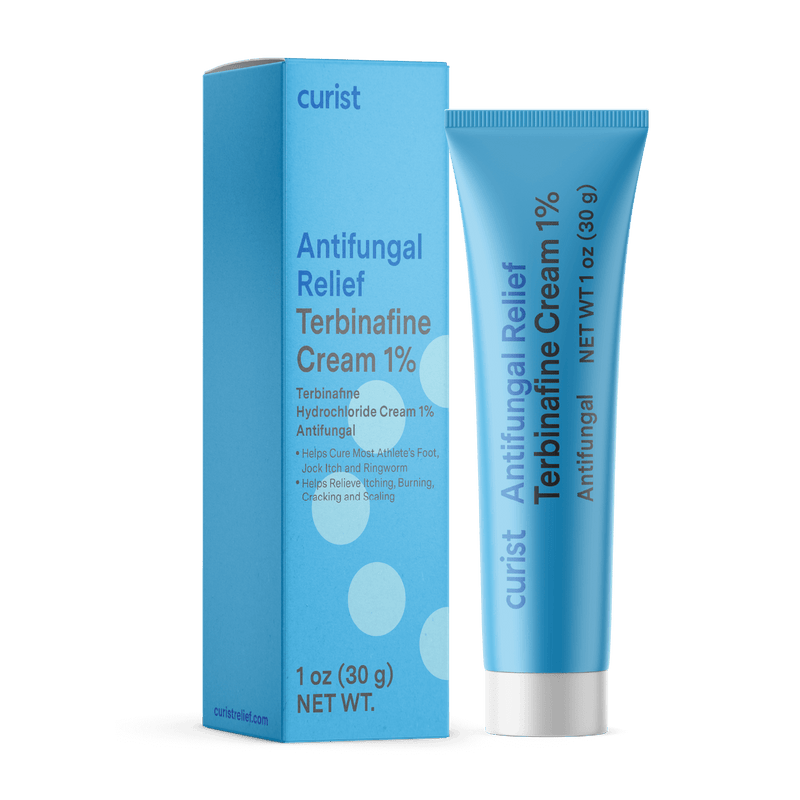
When it comes to choosing the best topical treatment for athlete’s foot, both ointment and cream formulations can work, but there are some differences and the best option depends on your specific needs. Creams are lighter and may absorb faster, which is good for many surfaces of the foot. Ointments may create a barrier and be helpful for dry, cracked, rough skin. For between-toes or very moist areas, you may want something that reduces moisture and penetrates well. Terbinafine 1% cream is usually a good option because of its strong evidence, speed of action and convenience, but an ointment-style product may be more beneficial depending on the circumstances.
What is the Best Over-The-Counter Antifungal Cream for Athlete’s Foot Treatment?
The best over-the-counter antifungal cream for treating athlete’s foot for most people without complicating factors would generally considered to be terbinafine cream because of its strong fungicidal action and speed of effect, often within 2 weeks. Other antifungal products are effective as well, though they may require a longer treatment duration. Regardless of which product is chosen, proper foot hygiene, keeping feet dry, changing socks daily, and disinfecting shoes are essential to prevent reinfection. If symptoms persist after the full recommended treatment or if the infection spreads to nails, it is important to consult a healthcare provider for stronger or prescription therapy.