By Cindy Diep, The University of Texas at Austin College of Pharmacy
Curist delivers medicines to your door at a fraction of the price of traditional brands. We hope everyone stays safe and healthy during this time.
Dealing with ringworm can be uncomfortable, making effective treatment essential for quick relief. In this article, we will explore different antifungal medications to help you find the most effective solution for ringworm!
Which Is More Effective for Ringworm: Lamisil or Lotrimin?
Both Lamisil (active ingredient terbinafine) and Lotrimin (active ingredient clotrimazole) are approved by the FDA to treat ringworm and are effective treatment options. However, their effectiveness can depend on factors such as individual responses to treatment, type of ringworm, and severity of the infection. If you are looking for a faster and more potent option, Lamisil is often preferred. Lotrimin, on the other hand, offers more broad-spectrum coverage and is considered a versatile option. It is important to consult with a healthcare professional to determine the most appropriate treatment based on your individual needs.
How Long Is Ringworm Contagious After I Use Lotrimin or Lamisil?
It is difficult to determine how long a ringworm infection is contagious for. Ringworm remains contagious until it is effectively treated and the infection has cleared. Lamisil is often used for a shorter duration compared to Lotrimin, usually 1-2 weeks. Lotrimin typically requires a treatment duration of 2-4 weeks. Both Lotrimin and Lamisil are effective antifungal treatments, but it is important to complete the full course of treatment and take precautions to prevent spreading the infection to others.
How Does Antifungal Cream Work to Treat Ringworm? How Long Does Antifungal Cream Take to Work for Ringworm?
The mechanism of action for antifungal cream depends on the active ingredients in the medication. Antifungal creams are usually applied to the skin topically, and work by killing the fungi or inhibiting the fungi’s growth. Many antifungal creams also help reduce the itching and inflammation associated with ringworm infections.
The duration of time for the antifungal cream to work can vary based on several factors, such as the type of fungus causing the infection, the severity of the infection, and the specific antifungal medication used. Initial improvement is often seen within a few days to a week of using the cream, with full treatment typically requiring 1-4 weeks depending on the product. For example, the full course of treatment for terbinafine (Lamisil) usually lasts 1-2 weeks. Treatment using clotrimazole (Lotrimil) or tolnaftate typically requires 2-4 weeks of consistent application. If the infection does not improve or worsens after using the cream, you should consult a healthcare provider for further evaluation.
Can I Use Antifungal Spray for Ringworm? Can I Use Antifungal Gel for Ringworm?
Yes, you can use antifungal spray or antifungal gel for ringworm. Each dosage form has its own advantages and may be more suitable based on personal preference. For example, antifungal sprays may be easier to apply, especially for larger or hard to reach areas. Sprays also reduce the need to touch the infected area, which can reduce the risk of spreading the infection. An antifungal gel may allow for precise application and is also designed to absorb into the skin quickly. Regardless of the dosage form that you choose, it is important to follow the instructions carefully and finish the full course of treatment to ensure eradication of the infection. Consult a healthcare provider for further evaluation and treatment if needed.
Why Does My Ringworm Keep Coming Back? What If My Ringworm Doesn’t Go Away?
There are several reasons why your ringworm might keep coming back or not go away despite treatment. One possible reason could be not using the antifungal medication for the full treatment duration or using it inconsistently, which leads to incomplete eradication of the fungus. Another reason could be re-infection, such as returning to an environment where the fungus is present or using contaminated personal items. Poor hygiene practices may also contribute to the persistence or recurrence of the fungal infection, so it is important to wash your hands and the affected areas regularly. In rare cases, the fungus may develop resistance to the medication being used to treat the ringworm.
If the ringworm does not go away despite appropriate treatment options, you should consult with a healthcare provider for a thorough evaluation. A healthcare provider may prescribe a stronger antifungal medication that may be more effective. In addition, you should continue to prevent the fungus from spreading, by not sharing personal care items, washing your hands often, and maintaining proper hygiene practices.
What is the Best Ointment for Ringworm? What is the Best Cream for Ringworm Treatment?
The best ointment or cream for ringworm treatment depends on the individual’s response to the medication. Some common active ingredients for ringworm treatment include terbinafine (Lamisil), tolnaftate, clotrimazole (Lotrimil), and butenafine. Terbinafine is often preferred for treating ringworm due to its fast-acting properties and its ability to kill the fungi. It comes in both ointment and cream dosage forms. However, the other active ingredients listed can be effective options as well. If the ringworm does not improve with over the counter treatment or worsens, make sure to speak to a healthcare provider.
What is the Best Over-The-Counter Antifungal Cream for Ringworm Treatment?
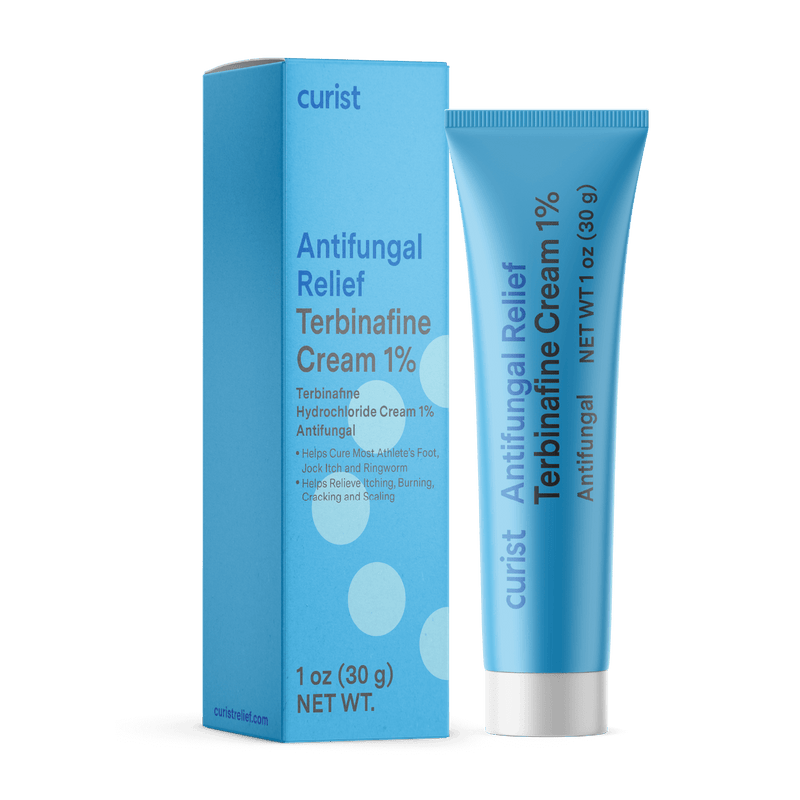
Choosing the best over the counter antifungal cream for ringworm treatment involves various factors, including taking into account your specific needs and preferences. Some common options may be terbinafine (brands Curist Antifungal Relief and Lamisil), clotrimazole (Lotrimil), and tolnaftate. In general, terbinafine is often preferred for its quick and potent action. Make sure to follow the instructions for the product and consult a healthcare provider if the infection does not improve or worsens despite treatment.