By Cindy Diep, The University of Texas at Austin College of Pharmacy
Curist delivers medicines to your door at a fraction of the price of traditional brands. We hope everyone stays safe and healthy during this time.
Do you need help choosing the best antifungal treatment for your needs? This article will compare clotrimazole, terbinafine, butenafine hydrochloride, and tolnaftate to help you decide what may be the best option for you.
What Is the Strongest Antifungal Treatment: Clotrimazole vs Terbinafine vs Butenafine hydrochloride vs Tolnaftate?
The choice of antifungal treatment depends on the individual as well as the type and location of the fungal infection. In general, terbinafine is often considered the strongest antifungal treatment due to its shorter treatment duration and high efficacy. However, clotrimazole may be a better choice for yeast infection or against broad spectrum fungi. Butenafine and tolnaftate could also be good alternatives. Consult a healthcare professional if you need help determining the best treatment for your specific condition.
What Is Clotrimazole? What is Clotrimazole Used For and How Does It Work?
Clotrimazole is an azole antifungal agent that is used to treat fungal infections. It is used to treat infections such as yeast infections, athlete’s foot, jock itch, and ringworm. It inhibits an enzyme needed to make a key component of fungal cell membranes. Without this component, the cell membrane weakens and the fungi will eventually die. This makes clotrimazole effective in inhibiting the growth of fungus.
What Is Terbinafine? What Is Terbinafine Used For and How Does It Work?
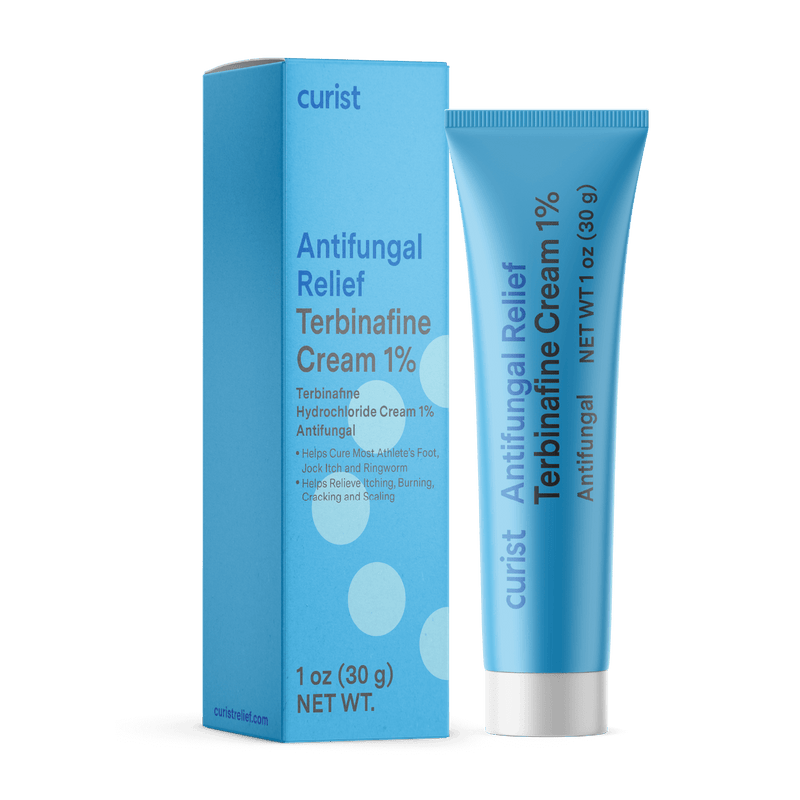
Terbinafine is an antifungal medication that is effective against various fungal infections, such as athlete’s foot, jock itch, ringworm, and fungal nail infections. Similar to clotrimazole, it blocks the synthesis of a component of fungal cell membranes, leading to cell death. This mechanism makes terbinafine effective in treating fungal infections by preventing the growth and spread of fungus.
What Is Butenafine Hydrochloride? What Is Butenafine Hydrochloride Used For and How Does It Work?
Butenafine hydrochloride is a topical antifungal agent used to treat a variety of skin infections. It is used to treat infections such as ringworm, jock itch, and athlete’s foot. It blocks the same enzyme that terbinafine inhibits to weaken the cell membranes of fungal cells to ultimately kill the fungal cells.
What Is Tolnaftate? What Is Tolnaftate Used For and How Does It Work?
Tolnaftate is an antifungal medication that is used to primarily treat fungal infections of the skin, including ringworm, jock itch, and athlete’s foot. It works by inhibiting fungal growth, disrupting the production of ergosterol needed for fungal cell membranes. Ultimately, it halts the spread of fungal infections and allows the body to eliminate the infection.
What Are the Key Differences Between Terbinafine vs Clotrimazole vs Tolnaftate vs Butenafine Hydrochloride?
Terbinafine, clotrimazole, tolnaftate, and butenafine are antifungal agents with distinct properties. Each medication has its own advantages and the best choice depends on the specific type of infection and the patient’s needs and preferences.
Terbinafine is one of the most effective antifungal medications, working quickly by killing the fungi outright rather than just stopping their growth. It is highly effective against common infections, especially athletes' foot. It is often used topically for only 1-2 weeks to clear infections.
Clotrimazole is another widely used antifungal that is considered more versatile because it can treat both skin fungal infections and yeast infections. It works by stopping fungi from growing and is a good option for when yeasts are suspected. However, it usually requires longer treatment courses (typically 2-4 weeks) compared to other options.
Tolnaftate is often used for more mild fungal infections and is often used for both prevention and treatment of athlete’s foot, in addition to the treatment of ringworm and jock itch. It also works by stopping fungal growth and is best for more straightforward cases.
Butenafine is another strong option that works well for skin infections and works by killing fungi. It is easy to use because it often requires fewer applications per day and has a short treatment duration.
Can I Use Two Antifungals Together: Terbinafine, Clotrimazole, Butenafine and Tolnaftate?
Using two antifungal medications together, such as terbinafine, clotrimazole, butenafine, and tolnaftate, is not usually necessary and may not improve effectiveness. These antifungals work in similar ways and combining them may not enhance efficacy because a single agent may be sufficient for most infections. Most medical guidelines generally recommend using one antifungal consistently for the full duration of treatment rather than combining therapies. In some cases, a healthcare provider might recommend using multiple antifungals with different mechanisms of action for severe or resistant infections. Speak with your healthcare provider to see which is the best option for you.
What Is the Best Antifungal Treatment: Terbinafine or Butenafine Hydrochloride or Clotrimazole or Tolnaftate?
The best antifungal treatment depends on the type, location, and severity of the fungal infections, as well as individual patient factors. Terbinafine is generally considered the most effective due to its faster acting and potent nature. However, the other antifungals can be considered comparable and can have other advantages. Consult with a healthcare professional to determine which antifungal treatment is best suited for your specific condition.